

The Cost Trap That Kills Good Design
Key Takeaways
- Most residential projects in the South West go over budget because key cost decisions are made too late, after the design is already fixed and planning consent secured.
- Scope creep, late design changes, and vague specifications are the main design killers – not simply high material prices or bad luck.
- Early, independent construction management protects both design intent and budget by stress-testing drawings, programme, and procurement before tender.
- We Are Ease helps architects and developers in Devon, Cornwall, Somerset, and Dorset preserve architectural ambition while keeping projects financially viable.
- If you’re planning a high-end home or small development, speak to We Are Ease before planning submission or technical design to unlock the biggest cost savings.
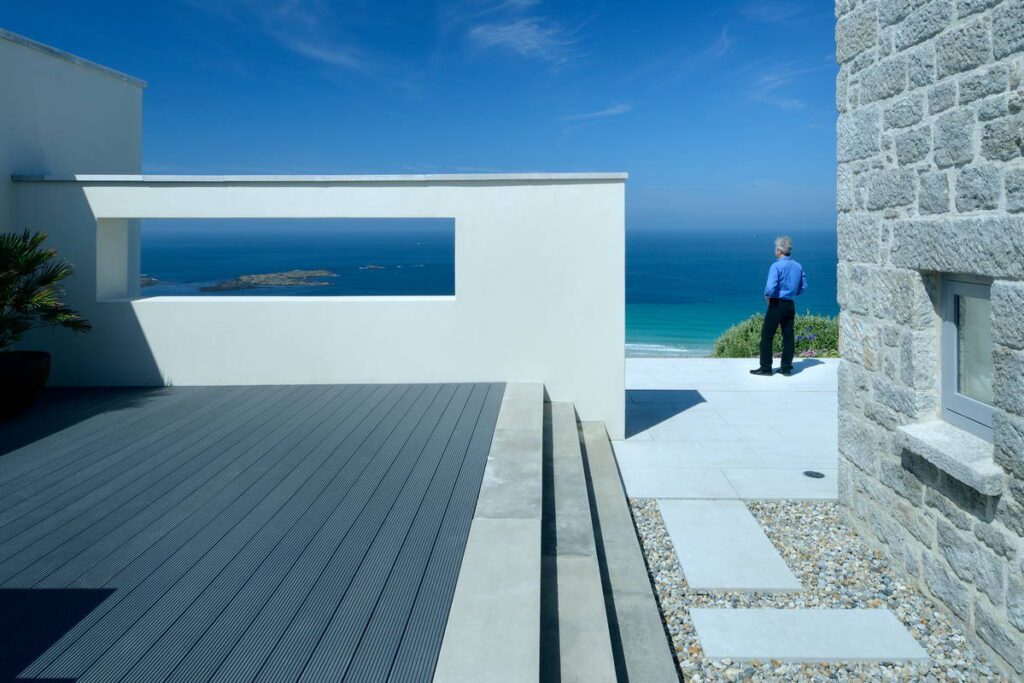
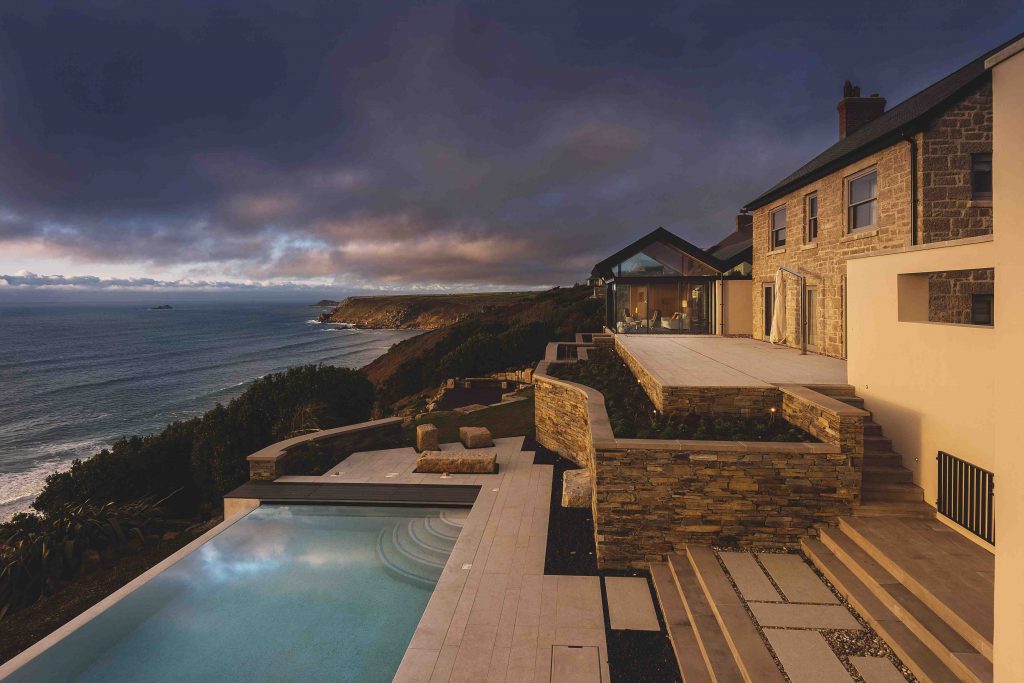
A stunning contemporary home overlooking the South Hams coastline. Full-height glazing, cantilevered terraces, and interiors that feel both bold and effortless. The architect’s vision is exceptional. The client is excited.
Then reality hits.
By the time foundations are in, the budget is already 20% overspent. The specification starts to slip. Those bespoke bronze window frames? Swapped for standard aluminium. The double-height living space? Dropped ceiling to hide services that nobody properly coordinated. The natural stone cladding? Now a render system that “looks similar.”
This is the cost trap that kills good design. And it happens far more often than it should.
The frustrating truth is that the budget usually fails long before the first brick is laid. The real damage occurs during concept design, planning, and procurement – stages where architects and developers often lack the granular cost intelligence to make informed decisions about construction costs and buildability.
This article is for architects and developers in the South West of England working on residential projects: small developments and unique high-end homes for high net worth individuals. We’ll examine why building projects go over budget, identify the hidden cost traps that undermine otherwise excellent design, and explain how construction management can protect both your vision and your bottom line.
Why Construction Projects Go Over Budget
Picture a typical high-end home project in Devon or Cornwall. The initial budget is set during early conversations with the client, often based on £/m² benchmarks from recent projects or industry guides. Everyone agrees the numbers “feel right.” Planning is submitted. Technical design begins.
Six months later, tenders come back 30% over budget.
What happened?
Research consistently shows that 85% to 98% of construction projects exceed their original estimates. On average, cost overruns run between 28% and 80% above initial budgets, with large-scale initiatives often ballooning by up to 80% while running 20% longer than planned. These aren’t outliers; they’re the norm.
For residential construction projects in the South West, the causes are predictable once you know where to look:
- Unrealistic initial budgets: Clients and even design teams rely on £/m² rules of thumb from 2021–2022, not current 2024–2026 South West market rates. Material prices have shifted dramatically, and local subcontractor availability has tightened.
- Incomplete design at tender: M&E, joinery, glazing specifications, and groundworks are not properly defined. Prices balloon on provisional sums and variations when contractors price in risk.
- Scope creep driven by design ambition: Extra basement rooms, larger glazing, upgraded kitchens and bathrooms are added after budgets are set. These changes almost always increase rather than reduce demands on the total budget.
- Underestimating site-specific issues: Access down single-lane Devon lanes, steep Cornish coastal plots, poor ground conditions on older town sites like Plymouth or Exeter fringes. Each adds cost that generic benchmarks miss.
- Programme slippage: Planning delays, late client decisions, and slow information release extend prelims, site overheads, and finance costs by months, sometimes adding six figures to the final cost.
Contrast this with a well-managed building project where construction management is engaged during RIBA Stage 2–3. Here, design, scope, and budget are aligned before the team falls in love with unaffordable drawings. The architect’s best ideas survive because they’re tested against reality from day one.
Poor Cost Definition at Early Design Stages
The biggest opportunity to avoid cost overruns exists at RIBA Stages 1–3, when only a small percentage of fees have been spent but most of the project cost is already being decided. This is the critical aspect that many teams overlook.
At this stage:
- Architects often sketch for planning based on outline budgets, with no live trade input or package-by-package cost breakdown. The design elements that matter most to the client are set in stone before anyone has tested them against current market rates.
- Teams rely on generic “South of England” benchmark data that ignores local South West factors: limited subcontractor availability, travel time to rural or coastal sites, and the premium required for skilled trades like masonry and carpentry in regions hit hard by post-Brexit labour gaps.
- There’s a dangerous assumption that high-end specification can be “swapped out later if needed.” In practice, structural and services decisions lock in expensive solutions early. A design predicated on a basement or complex roof form can’t simply have these elements “value engineered” later without destroying the entire project concept.
- Without an early-order elemental cost plan ( covering foundations, frame, envelope, services, and fit-out) tested by a construction manager who regularly lets trade packages in Devon and Cornwall, teams are flying blind.
We Are Ease can sit in early design reviews with the architect, flagging cost hot-spots like complex roof forms or awkward retaining walls long before they become planning drawings. This early identification of risk protects both the architect’s reputation and the client’s investment.

Scope Creep and Client-Led Changes
High net worth clients building one-off homes naturally push design scope once they see visuals and samples. This isn’t a flaw, it’s human nature. The problem is when these changes aren’t managed against a live cost plan.
Consider these scenarios:
- A three-bedroom coastal house near Salcombe becomes a five-bedroom with guest annex. What started as a contained brief expands into something fundamentally larger.
- Standard aluminium sliders are upgraded to full-height slimline structural glazing in Dartmouth. The glass costs more, the structural supports cost more, and the installation takes longer.
- “Just adding” a home office, gym, or larger plant room after planning can require new foundations, structural steel, and MEP rework – not just extra finishes. The compound effect means small changes in several rooms can rapidly add six figures to a £1m build.
This is scope creep in action, and it’s one of the most common reasons why building projects go over budget.
The solution is implementing a formal change control process from day one. Every change should be priced, approved, and its impact on cost and programme clearly recorded before drawings or site works proceed. Clear boundaries around project scope protect everyone.
We Are Ease acts as the “cost conscience” in the room, helping the architect protect core design moves while guiding the client on where upgrades give the most value per pound. This careful planning ensures the project stays aligned with both budget and vision.
Vague Specifications and Provisional Sums
Provisional sums and “to be confirmed” notes are where budgets quietly unravel. They represent uncertainty, and contractors price uncertainty with margin.
Common provisional sum traps in residential projects include:
- Groundworks and drainage diversions
- Specialist glazing systems
- Bespoke joinery
- AV/IT infrastructure
- Landscaping and external works
Here’s a real-world example: a £60,000 provisional sum for retaining walls on a sloping site above St Ives beach ends at £120,000 once detailed design and engineering are complete. That’s a 100% increase on a single line item – enough to blow any contingency.
To avoid this trap:
- Lock down performance specifications early (U-values, acoustic ratings, durability requirements) so construction managers can obtain realistic trade package quotations.
- Swap one large, vague provisional sum for several smaller, better-defined packages. Separate sums for cut-and-fill, retaining walls, drainage, and external steps/terraces give greater control and transparency.
- Use We Are Ease’s “Project Doctor” service to audit an existing tender or live project. We identify where provisional sums are likely to blow the budget and propose mitigation options before it’s too late.
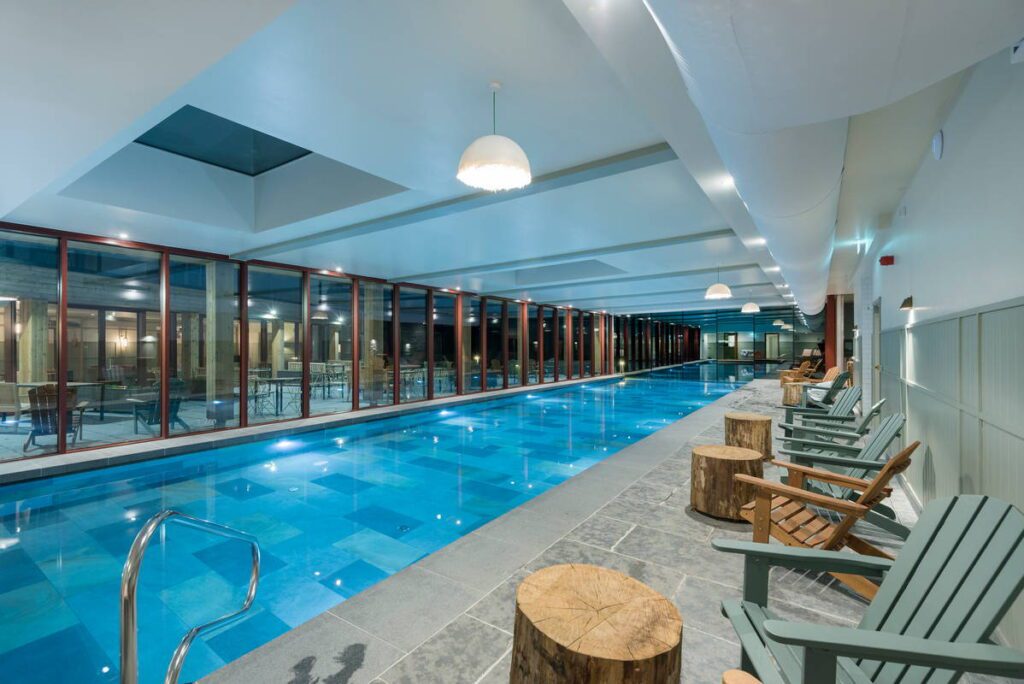
The Hidden Cost Traps Architects and Developers Miss
Even experienced South West architects and developers can miss cost traps that only become visible when you spend every week on live sites. These are the less obvious budget killers that quietly undermine otherwise excellent design on high-end homes and small developments.
What makes these traps so dangerous is their location: they’re often hidden in logistics, prelims, and coordination – not in the obvious “expensive” items like natural stone or bespoke kitchens.
Think of this section as a checklist you can use during RIBA Stages 2–4 to stress-test your scheme with your quantity surveyor and construction manager.
We Are Ease regularly reviews drawings specifically to expose these traps before tender, helping protect the architect’s reputation and the developer’s return on investment.
Site Access, Logistics and Prelims
Access issues in rural Devon and Cornwall often double handling costs, extend programmes, and push prelims far beyond initial allowances.
Consider these scenarios that drive unexpected expenses:
| Scenario | Impact |
| Crane access on tight coastal lanes in North Devon | Specialist equipment, multiple mobilisations, extended hire periods |
| Barge or helicopter delivery for clifftop sites | Premium logistics costs, weather delays, limited delivery windows |
| Restricted working hours in village centres like Totnes or Fowey | Compressed programme, night/weekend working premiums |
| Single-track access roads | Delivery scheduling constraints, convoy arrangements |
Prelims cost (site set-up, welfare, scaffolding, temporary works, management staff) inflates with every additional month on site. A project that runs three months over programme doesn’t just cost three months of prelims; it triggers cascading delays across trades and pushes the entire project into weather-sensitive periods.
To protect against these traps:
- Undertake a detailed logistics plan at design stage, including turning circles, storage areas, scaffold strategy, and temporary access roads or platforms.
- We Are Ease can carry out early site visits with the architect to translate access constraints directly into programme and cost allowances.
- Sometimes subtle design tweaks like panel sizes, prefabrication, modular elements, can dramatically reduce costs by minimising crane time and manual handling.

Complex Structural and Groundworks Solutions
Striking cantilevers, basements, and large openings make for beautiful architecture. They can also hide disproportionate structural and ground cost.
Specific examples from South West projects include:
- Carved-out basements in Cornwall granite, requiring specialist excavation and waterproofing
- Deep retaining walls for hillside plots near Bath, where ground conditions vary dramatically
- 8m-span living spaces facing the sea in South Hams, demanding complex steel frames and hidden transfer structures
Structural solutions like contiguous piled walls, complex steel frames, or transfer structures can consume 20–30% of a high-end home budget. When these aren’t properly priced at concept stage, the project cost spirals during technical design.
To manage this risk:
- Commission early structural and buildability workshops with both engineer and construction manager to explore simpler options. Step building, partial basements, and rationalised spans can preserve design intent while reducing build costs.
- Early ground investigation (GI) is crucial. Starting a £1.5m build in 2026 prices without GI is a major cost risk. Unforeseen issues with ground conditions are among the most common causes of cost overruns.
- We Are Ease challenges overly complex details and proposes alternative construction sequences that reduce temporary works and excavation costs, protecting both the budget and the construction process.
Services, Plant Space and Future-Proofing
MEP (mechanical, electrical, plumbing) is often under-allowed in budgets for high-end homes, especially where clients want renewables and smart technology.
Typical items that drive additional cost:
- MVHR (mechanical ventilation with heat recovery)
- Air source heat pumps (ASHP)
- Underfloor heating throughout
- Solar panels and battery storage
- Whole-house AV, security, and data cabling
- EV charging infrastructure
The problem isn’t just the equipment cost, it’s the space required. Plant rooms, risers, and ceiling zones are often too small in early design, leading to expensive rework or dropped ceilings that compromise design intent. Energy efficiency requirements continue to tighten, making these systems increasingly important.
To avoid this trap:
- Coordinate early between architect, MEP designer, and construction manager to right-size plant areas and routes based on realistic kit selections.
- Don’t assume a “standard” electrical installation is appropriate for a genuinely high-end property. Smart home systems, zoned lighting, and integrated AV require significant additional cost and coordination.
- We Are Ease benchmarks MEP and renewables budgets from recent Devon and Cornwall projects so the services package isn’t the surprise overspend at RIBA Stage 4–5.
Interfaces Between Packages and Design Teams
Gaps between design responsibilities often become change orders and rework on site. When no one “owns” a detail, it gets resolved late under time pressure, increasing cost and risk to finishes.
Common interface problems include:
| Interface | Risk |
| Façade between glazing supplier and main structure | Tolerance mismatches, thermal bridging, water ingress |
| Waterproofing between roofer and balcony installer | Warranty gaps, remedial works |
| Kitchen supplier coordination with M&E layouts | Late changes, service clashes, rewiring |
| Staircase installation timing with finishes | Damage protection, sequence conflicts |
Poor communication between teams accounts for roughly one-third of project failures, according to PMI research. Effective communication requires clear protocols and accountability.
To manage interfaces effectively:
- Produce a clear design responsibility matrix at RIBA Stage 3–4 covering all key junctions and specialist suppliers.
- We Are Ease reviews this matrix and the details with a contractor’s eye, identifying where additional coordination or early specialist design input is needed.
- Better interface definition protects the architect’s drawings from on-site compromise and protects the developer from clusters of costly variations.
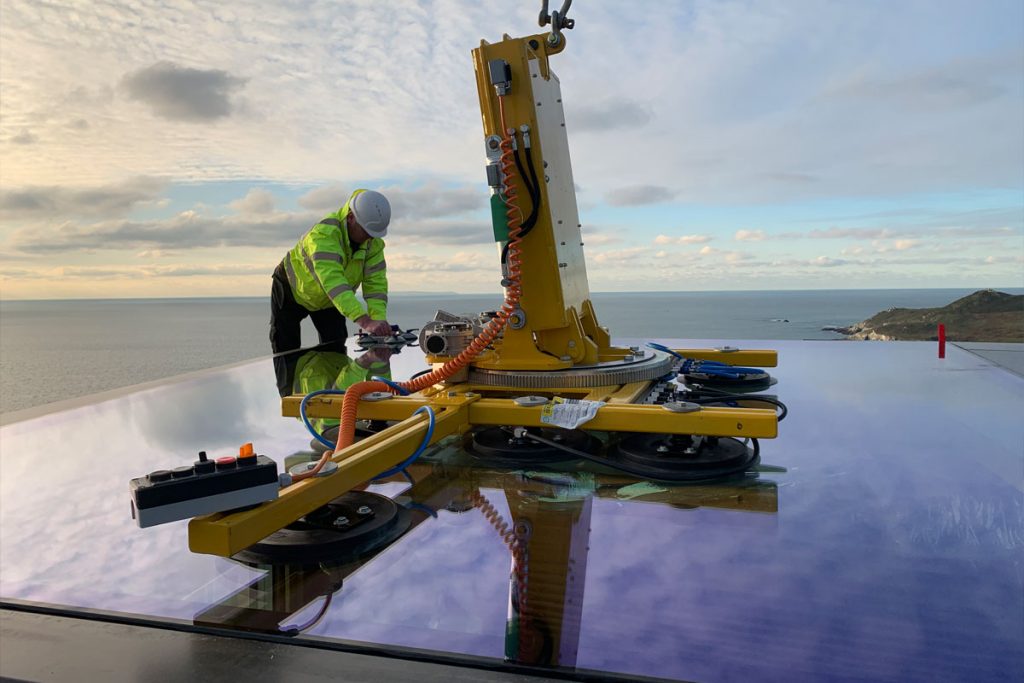
How Construction Management Protects Cost and Design
Construction management is a procurement and delivery route where the client appoints trade contractors directly, with We Are Ease coordinating them. This approach separates design quality from contractor margin so the client sees exactly where money is spent, package by package.
For high-end, design-led homes and small developments that need transparency and flexibility without losing financial control, this route can be particularly effective.
Key advantages include:
- Early trade engagement while design is still flexible: Real market prices inform design choices before they’re locked in, enabling cost effective decisions throughout the project lifecycle.
- Package-by-package transparency: No hidden mark-ups. The client and design team see base prices, prelims, and risk allowances clearly.
- CDM compliance: We Are Ease often acts as principal contractor for CDM, so health and safety is fully managed alongside costs and programme.
- Flexibility to adjust: If budgets tighten, individual packages can be substituted or resequenced without dismantling the entire project.
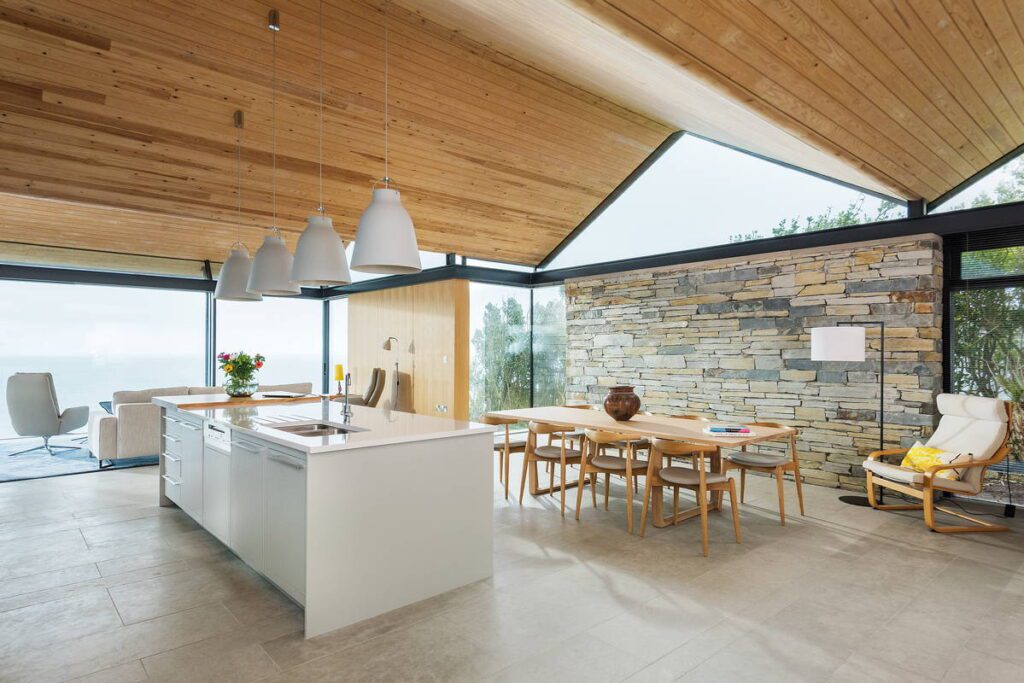
Construction Management Involves Early Involvement and Buildability Reviews
We Are Ease typically joins projects at RIBA Stage 2 or 3 to run buildability and cost reviews. This timing allows us to influence outcomes before planning or technical design is frozen.
The process involves:
- Reviewing drawings with the architect to identify complex details, sequencing challenges, and high-risk areas that will drive cost.
- Identifying potential savings through simplification – rationalising a roof geometry on a Dartmoor plot, adjusting window sizes on a Cornish cliff house to align with standard systems.
- Providing “red flag” reports to the design team, focusing on cost, logistics, safety, and programme implications of key design moves.
This collaborative approach is intended to protect, not dilute, good design. We preserve the big architectural ideas while streamlining how they’re built. Buildability input at this stage can reduce prelims by shortening programme and lowering risk allowances in trade packages.
Working closely with architects from the start ensures that cost awareness is embedded in the design process, not bolted on afterwards.
Transparent Package Procurement Instead of a Single Lump Sum
Package-based procurement splits the project into trade packages – groundworks, frame, envelope, glazing, MEP, finishes – and competitively tenders each within the local South West market.
The benefits are significant:
- Full transparency: Client and design team see base prices, prelims, and risk allowances. They can question or negotiate each element.
- Direct specialist appointments: Select the right people for the job like local stone masons for Cornish granite, specialist joiners in Somerset- without main contractor mark-ups.
- Flexibility: If budgets tighten, individual packages can be adjusted without unpicking the entire contract.
- Reduced procurement burden: We Are Ease manages tender documentation, comparisons, and recommendations so architects and developers aren’t swamped by admin.
This method gives greater control over where money is spent and enables informed decisions about trade-offs between cost and quality control measures.
Live Cost Reporting and Variation Control
Cost should be treated as a live metric, not a one-off number set at tender. Throughout the construction phase, disciplined reporting keeps everyone aligned.
Our approach includes:
- Monthly cost reports: Summarising committed spend, forecast final cost, and contingency status for each package.
- Impact assessment: Proposed changes from client, planning conditions, or technical coordination, are priced and assessed before instructions are issued.
- Variation targets: On a well-managed £800k–£2m home, keeping variation under 3–5% of contract value is realistic and achievable.
- Mid-project intervention: We Are Ease’s “Project Doctor” service can introduce this level of reporting if a scheme has already started to drift over budget.
Live cost control protects design quality. When you know exactly where you stand, you can make strategic decisions to protect high-impact features while trimming lower-priority items- not panic cuts that destroy the entire project vision.
Construction Management Protects the Architect’s Design Intent
Many architects fear that “cost control” equals “design erosion.” This is understandable – too often, cost management happens through last-minute value engineering that strips away everything that made the design special.
But early construction management actually gives the architect a stronger platform:
- By quantifying costs, architects can defend key moves and negotiate informed compromises. Data beats opinion.
- Example: Preserving a double-height space in a Dartmoor new build by simplifying an unseen roof build-up and rationalising bathroom specifications. The client sees the design they wanted; the builder delivers a project they can complete within budget.
- We Are Ease mediates between cost, design, and client priorities, so last-minute “panic cuts” don’t destroy composition, daylight, or spatial quality.
The best projects are those where cost and design are treated as part of the same conversation from the first sketch. This is how successful project delivery happens.
Avoiding Cost Creep in Residential Development
For small residential projects and one-off homes in the South West, cost creep between planning approval and completion can erode both profit and design quality. This slow, incremental growth of budget, driven by lots of small decisions, delays, and assumptions being corrected, is harder to see than a single catastrophic error.
Unlike a dramatic overrun caused by unforeseen circumstances, cost creep accumulates quietly. A few thousand here, a variation there, an extended programme. Suddenly you’re 15% over budget with no single cause to blame.
We Are Ease uses structured frameworks to control cost creep on both single high-end houses and multi-unit schemes across Devon, Cornwall, Somerset, and Dorset.
Set Clear Scope and Stick to It
The most powerful way to avoid potential cost overruns is to lock scope early and resist non-essential changes. This requires careful planning before work begins.
Practical steps include:
- Develop a detailed client brief and room-by-room schedule before RIBA Stage 3 signs off, including finishes level and performance expectations.
- Use visual tools like 3D models, sample boards, precedent imagery so clients understand exactly what they’re approving. This builds a clear understanding that prevents later disputes.
- Establish a formal “scope freeze” milestone: after which changes are still possible but must pass a clear value test and approval process.
- For small developers: differentiate between “base spec” and “upgrade options” so sales aspirations don’t silently expand the base build cost.
We Are Ease can chair scope workshops with architect and client to align ambition with realistic budgets early on, ensuring client satisfaction without budget blowouts.
Use Contingency Intelligently, Not as a Crutch
Contingency is essential, but it’s often misused as permission to under-define design or ignore risk. Effective risk management requires disciplined contingency planning.
Guidelines for residential projects in the South West:
| Project Type | Recommended Contingency |
| Straightforward new builds | 10–15% |
| Complex refurbishments | 15–20% |
| Steep/coastal sites | 15–20% |
| Listed building conversions | 20%+ |
| Complex builds with multiple unknowns | 20%+ |
Contingency should be actively managed:
- Track draw-down against specific causes
- Distinguish between design development contingency, construction risk contingency, and client change contingency
- Adjust forecasts monthly based on actual experience
We Are Ease reports contingency use to clients and design teams, tying each use to specific risks—unforeseen ground conditions near Padstow, extra fire protection in a change-of-use scheme in Exeter. The goal is to finish with some contingency unspent by managing costs effectively, not to plan for it to be fully consumed.
Control Programme to Control Cost
Time overruns are direct cost overruns in residential projects. Extended programmes mean additional prelims, finance costs, and opportunity costs.
Common causes of weather delays and programme slippage in the South West include:
- Extended planning negotiations in coastal AONB areas
- Late structural or MEP information
- Long lead times on specialist glazing, staircases, and kitchens
- Supplier relationships that aren’t established early enough
To avoid delays and control costs:
- Build realistic lead-in times and approval periods into the programme, especially for long-lead items.
- Hold regular coordination meetings (weekly or fortnightly) led by We Are Ease to track information release dates, approvals, and the project’s progress against programme.
- Understand the financial impact: each extra month on site might add £15,000–£25,000 in prelims and finance on a typical £1m high-end home in 2026.
A well-managed programme also reduces rushed decisions, which are a major driver of poor-value changes and rework. This saves time and money while protecting design quality.

Communication and Governance Between Architect, Developer and Site
Strong communication is the practical glue that keeps cost, design, and programme aligned throughout the project lifecycle.
Essential governance elements:
- Clear roles: Who signs off costs? Who approves design changes? Who updates the risk register? Everyone should know their responsibilities.
- Structured reporting: Monthly client reports summarising progress, risks, cost movements, and key decisions required.
- Architect involvement: Include the architect in key site meetings so design decisions are properly understood and implemented, not diluted by misunderstandings.
- Single point of coordination: We Are Ease translates site realities back to the design team in time for them to respond without last-minute panic.
Good governance keeps everyone pulling in the same direction protecting both cost and design integrity. When problems arise, they’re surfaced early enough to address them without derailing the entire project.
About We Are Ease
We Are Ease is a specialist construction management consultancy for design-led residential and mixed-use projects in the South West of England.
Our core services:
- Construction Management: Coordinating trade contractors, managing programme, quality, and cost transparency
- Development Management: Supporting developers from feasibility through completion
- Client Project Management: Acting as the client’s representative throughout the build
- Project Doctor: Specialist intervention service for troubled builds already showing signs of drift
Where we work:
Based in Devon, we work across Devon, Cornwall, Somerset, and Dorset. Our experience spans coastal, rural, and urban infill sites each with their unique challenges.
How we work:
We appoint trade contractors directly on the client’s behalf while We Are Ease coordinates, acts as principal contractor for CDM, and manages cost, risk, quality control, and safety. No hidden mark-ups. Complete transparency.
Project types we handle:
- Bespoke one-off homes for high net worth individuals
- Barn conversions and loft conversions
- Hospitality-led schemes
- Small residential developments
- Home renovation and refurbishment projects
- Interior design coordination with specialist suppliers
Our promise: early involvement to protect both budget and architectural intent. We help reduce costs while preserving what makes each design special. You can read about real projects and case studies here.
Contact We Are Ease
If you’re an architect or developer planning projects for 2026–2027 in the South West, we’d welcome an early, no-obligation conversation about how construction management could protect your design and budget.
Get in touch:
- Address: The Pavilion, Moorhaven, Bittaford, Devon, PL21 0TZ
- Telephone: 01752 895 487
- Email: info@weareease.com
- Office hours: Monday–Friday, 9am–5pm
- Book a call: Project Assessment Form
When to contact us:
The biggest cost saving opportunities exist before planning submission or during early technical design. This is when construction management input delivers the greatest value.
For architects: Involve We Are Ease as your delivery partner to keep good design buildable and within budget. We complement your design leadership with contractor-side insight.
For developers: Request a feasibility review if you’re starting a new project, or a “Project Doctor” audit if your current scheme is showing signs of cost drift.
Don’t let cost creep turn your vision into a compromise. The initial investment in proper cost control pays for itself many times over in avoided overruns and protected design quality.
FAQ
This section answers common questions not fully covered above, aimed at architects and developers weighing up how to protect design and budget on South West residential projects.
When is the best time to involve a construction manager like We Are Ease?
The ideal point is RIBA Stage 2–3, before planning submission or at latest before technical design is fully locked. At this stage, key cost drivers -structure, envelope, services strategy -can still be adjusted without redesigning the entire project.
We Are Ease can also join later, even during construction, via our “Project Doctor” service. However, potential savings and design protection are usually greater with earlier involvement.
For architects tendering high-end or complex builds, consider introducing We Are Ease as part of your extended team during fee proposals.
What size and type of projects does We Are Ease typically work on?
Our typical projects range from around £750k to £10m construction value, focusing on high-end homes, conversions, and small residential developments.
Complexity and design ambition are often more important than pure size. Cliffside houses, listed buildings, and tight urban infills benefit most from our approach.
We’re happy to discuss smaller or larger schemes case-by-case, especially where the client values transparency and design quality. Both new-build and refurbishment projects across Devon, Cornwall, Somerset, and Dorset are within scope.
Will working with We Are Ease replace our main contractor?
Under a construction management model, there is no single traditional main contractor. Instead, the client appoints multiple trade contractors directly.
We Are Ease coordinates these trades, manages procurement, programme, health and safety, and quality control—effectively acting as the project’s delivery hub and construction managers.
On some projects, hybrid approaches are possible, where certain elements are let to a package contractor while others are directly managed. This flexibility means the approach can be tailored to each project’s needs.
How do We Are Ease’s fees work, and do they really save money overall?
Our fees are structured as a transparent professional services fee, agreed upfront and linked to project value and complexity.
Savings typically come from:
- Reduced contractor mark-ups on trade packages
- Fewer late changes
- Better risk allocation
- Tighter prelim and programme control
Independent cost tracking often demonstrates net savings or improved value even after fees are accounted for, particularly on high-end schemes where the alternative is substantial overruns.
Contact us to request an indicative fee and savings model based on a recent comparable project in the South West.
Can We Are Ease work alongside our existing architect and quantity surveyor?
Absolutely. We regularly work as part of a wider professional team, complementing rather than replacing architects and QSs.
The typical split:
- Architects lead design
- Quantity surveyors lead formal cost planning
- We Are Ease focuses on buildability, live site management, trade procurement, and CDM duties
This collaboration helps align design, cost, and delivery—reducing friction and protecting the overall project vision. We see ourselves as an ally bringing contractor-side insight without contractor-side commercial conflicts.